Many people are looking for a good mood, but a good mood is too exaggerated. can make life out of its normal state. Mania is extreme euphoria that can lead to the most dangerous decisions and most damaging behaviors. Mania is a serious psychological crisis that can disrupt the life of the person and those around him. If you want to learn more about the phenomenon of mania or mania, then stay with us. class="lwptoc_item"> What is mania and why is it considered a serious mental disorder?

مقاله تخصصی
What is mania? | Symptoms, causes of mania and treatment methods
4 hours ago
835 بازدید

Dr. Reza Bahadur
MashhadOrthopedic specialist
Different types and intensities of mania
What is mania and why is it considered a serious mental disorder?
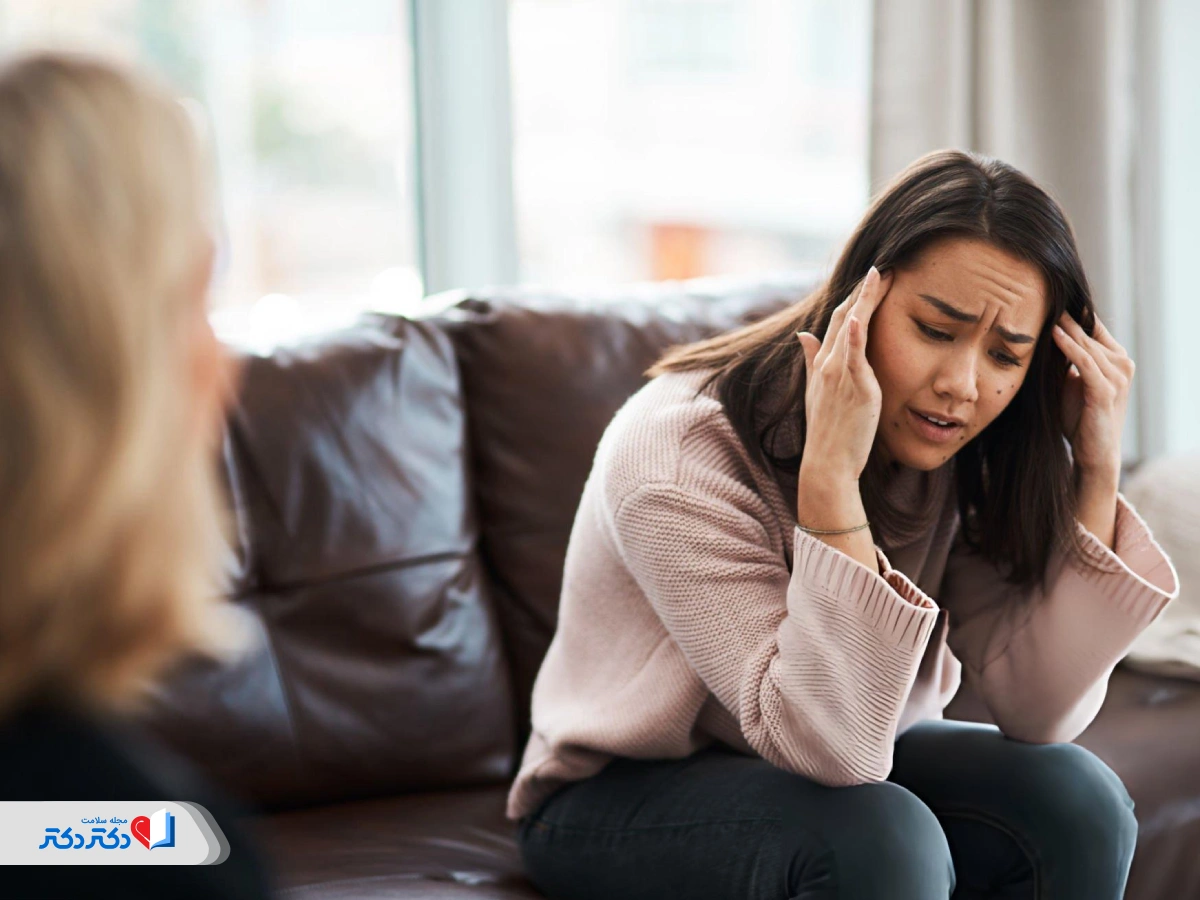
Mania is a serious mental condition in which a person experiences periods of high energy and high spirits, high mood, or extreme irritability, and their behavior, speech, and daily functioning are different. will be This state lasts for at least a week and other people also notice the mental changes of the manic person.
In the state of mania, the person may have very little need for sleep, talk fast and non-stop, his thoughts jump from one subject to another like lightning and wind, feel powerful or perfect, and even engage in risky behaviors and decisions. If these symptoms are severe, they lead to serious social, financial or mental health problems for the patient and those around him. In this case, mania is an emergency situation and requires the prompt intervention of a mental health professional.
Mania is one of the main features of bipolar disorder and due to its deep impact on a person's life, it is considered as one of the types of mental disorders. In the case of bipolar disorder, a person experiences severe fluctuations between periods of high mood (mania) and low mood (depression). Fluctuations between these periods cause a person's decisions, relationships and daily activities to be strongly affected. Sometimes even the smallest issues can make a person's emotions go up or down.
During the mania period in bipolar disorder, a person may feel powerful, extremely optimistic, and perfect and perform behaviors that they would never do, from expensive purchases and risky career decisions to risky sexual relationships. These fluctuations not only disrupt a person's life, but can also put a lot of pressure on their family and friends. For this reason, the timely diagnosis and treatment of mania is very important to return a person's life to a stable and balanced path.
Of course, it is not bad to mention in this section that although mania is the heart of bipolar disorder, it may also be seen as a symptom in other disorders, including schizoaffective disease, which is a combination of features schizophrenia and mood disorders. Also, postpartum psychosis sometimes includes mania or delusions in the days or weeks after delivery. In addition, seasonal affective disorder is sometimes accompanied by symptoms of mania-like mood swings. In all these cases, accurate diagnosis and timely treatment are very important so that the severity of the symptoms are reduced and the person's life is not affected too much.

The difference between mania and usual mood swings
The difference between mania and usual mood swings is its intensity, duration and effects. All people sometimes feel happy or excited, but in mania these feelings are much more intense, more stable and beyond the normal limit and disrupt the person's ability to function in daily life; This is while usually, mood changes are short-term and predictable and often coincide with activities or life events.
Also, mood swings are often temporary and manageable; But in mania, high mood or irritability may appear for no reason and the person's control over their behavior and decisions decreases. This difference makes mania not only an intense and unusual experience, but sometimes it leads to serious social, occupational or financial problems.
Different types and intensities of mania
Mania has different spectrums and types of mania are defined based on the severity of symptoms, impact on daily functioning and combination with other mood changes. The severity of mania depends on the length of the period, the need for hospitalization and the level of disturbance in the person's life.
In the clinical definition, types of mania are classified as complete mania, hypomania and mania with psychotic features. These categories help professionals better recognize the severity and pattern of mood episodes and plan appropriate treatment interventions. Next, we have a look at each type of mania.
Hypomania (mild mania)
Hypomania is a milder type of mania and has symptoms similar to severe mania such as high mood and high energy, but not severe enough to completely impair a person's functioning or require hospitalization. Hypomania lasts for at least four consecutive days; During this time, the person's mood and energy will increase, but not so much that it will cause major problems in the person's social or work life.
People with hypomania may seem very energetic and productive for a while. In this type of mania, psychotic symptoms such as delusions or hallucinations are not seen. Also, episodes of hypomania often do not require hospitalization.
Severe or acute mania
Severe or full mania is accompanied by obvious mood and behavioral changes that often cause serious disruption in social and occupational functioning. In severe mania, a person's personal and social life is greatly affected by the symptoms of distraction, irresponsibility, irritability, self-conceit, jumping thoughts, excessive activity, reduced sleep, and excessive talking. At this level, people may make impulsive decisions; For example, they spend without thinking or become extremely aggressive.
This type of mania lasts for at least a week and severely affects the person's ability to function properly on a daily basis. In this case of mania, the patient sometimes needs hospitalization.
Mania with psychotic symptoms
Mania in its most severe state includes psychotic symptoms. In such a situation, a person loses his connection with reality. The symptoms of mania with psychosis are divided into two categories: delusions and hallucinations. Delusions are false beliefs, such as that the patient believes he is someone very important and that secret spies are always looking for him. Hallucinations also include seeing or hearing things that are not there.
The patient in the period of mania with psychotic symptoms does not accept the logical words of others and often needs to be hospitalized so as not to harm himself or others. The symptoms of psychosis appear only in the mania phase and are not seen in the person after this period ends.
What is the cause of mania?
Scientists have not yet discovered the exact cause of mania, but strong evidence shows that this condition is a multifactorial phenomenon and has biological, genetic and environmental reasons. Next, we look at some important factors in the development of mania.
Genetics and family history
Genetics and heredity play an important role in the formation of mania. People with a family history of bipolar or other mood disorders are more likely to develop bipolar disorder and mania. If a family member has bipolar disorder, the possibility of mania or hypomania will be very high. According to research, nearly two-thirds of patients with bipolar disorder have had at least one close relative with mania or severe depression.
Chemical changes and brain structure
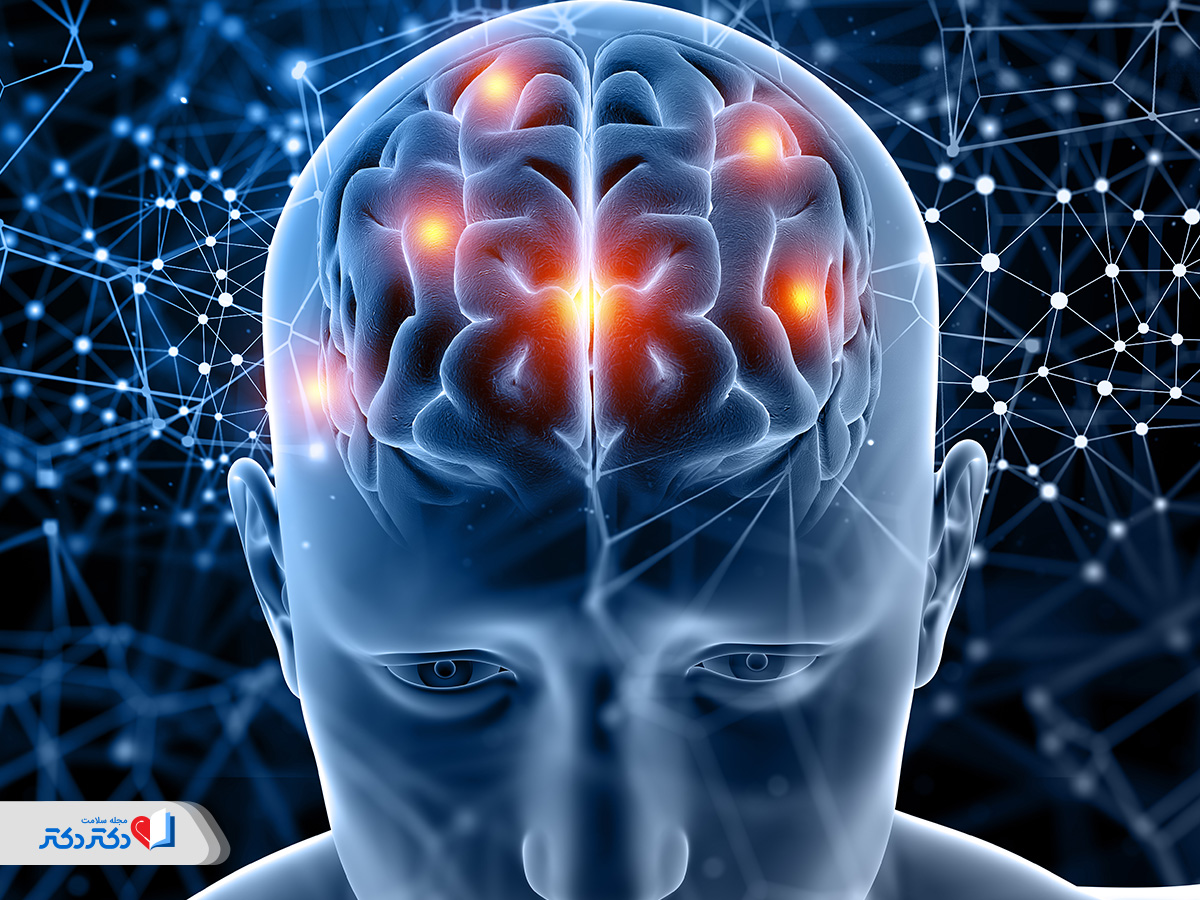
Imbalance in brain neurotransmitters such as dopamine, serotonin, and norepinephrine, which are involved in mood regulation, are associated with episodes of mania. During periods of mania, increased dopamine activity can cause increased energy, decreased need for sleep, and feelings of euphoria or irritability. Also, disturbances in the regulation of serotonin and norepinephrine fuel extreme mood swings and impulsive behaviors. In addition, differences in the structure and function of some brain areas such as the amygdala, hippocampus, and prefrontal cortex have been seen in patients with mania. For example, excessive activity of the amygdala and low activity of the prefrontal cortex cause impaired executive function, decision-making, impulse control, and difficulty in controlling one's emotions.
Related physical and mental illnesses
Some physical and mental illnesses can cause mania or aggravate its symptoms. For example, mental disorders such as major depression, severe anxiety, ADHD, and substance abuse sometimes overlap with manic or quasi-manic episodes, complicating the diagnosis. On the other hand, some physical diseases such as thyroid disorders, neurological problems, brain tumors or infections, and even the use of certain medications such as antidepressants or corticosteroids can activate or intensify the symptoms of mania. For example, some types of antidepressants, such as SSRIs and drugs that alter serotonin and norepinephrine levels in the body, may cause mood swings from a depressive phase to a manic phase in some patients with bipolar disorder, especially if taken without mood stabilizers. Steroid use can also cause symptoms similar to mania. Corticosteroids, which are prescribed for inflammation or allergies, can cause severe mood changes in some cases. In the meantime, stimulants such as cocaine, amphetamines, and marijuana are also associated with an increased risk of mania or pseudo-mania episodes, because they affect the nervous system and brain transmitters. Even sometimes, caffeinated drinks and certain herbal supplements can be a trigger for mood changes in bipolar disorder.
Stresses and important life changes
Severe stresses and important life changes can trigger mania episodes, especially in people who have a biological or genetic background. Events such as work or study pressures, bereavement, divorce, migration, long insomnias, drastic changes in sleep and wakefulness rhythms, or even seemingly positive events such as great successes, job promotion, or marriage can disrupt a person's emotional balance.
Stimulating factors affect the body's stress system and the neurohormone axis, disrupt mood regulation, and increase the likelihood of entering a mania or hypomania phase. For this reason, managing stress and maintaining a regular pattern of life is one of the key parts of preventing the recurrence of mania.
What are the symptoms of mania?
A person suffering from mania may show various symptoms such as unusual euphoria, irritability, a sharp decrease in the need for sleep, talkativeness, rapid thoughts, excessive self-confidence, distraction, and impulsive and risky behaviors. Next, we look at some of the most common symptoms of mania.
Behavioral and emotional symptoms
A person with mania often shows clear emotional, behavioral and cognitive symptoms that go beyond normal mood states and can disrupt daily life. During episodes of mania, the patient may have an abnormal sense of happiness and high energy. In this condition, the person does not need much sleep and feels extremely euphoric at every moment.
In the mania phase, the patient has very high self-confidence and thinks he can do anything. A person suffering from mania has an overly optimistic and unrealistic view of his abilities and conditions. These states are accompanied by rapid and incessant speech, rapid and irregular thoughts, agitation, restlessness, distraction and poor concentration. Impulsive and risky behaviors or even psychotic symptoms such as hallucinations and delusions may also be seen in the mania phase.

Intellectual and cognitive symptoms
In the mania phase, not only the mood and behavior change, but also the mental and cognitive functions of the person are significantly disturbed. Mania is accompanied by rapid and incessant thoughts with extreme distraction and impairs concentration, attention and memory. In this case, the brain has difficulty processing important information from unimportant information and cannot stay fixed on a single task.
Simply put: a manic person may feel that his mind is "working too fast." This situation makes it difficult to complete tasks, make logical decisions, and even speak coherently. Disturbed thoughts also cause confusion in planning and solving problems.
Physical symptoms
In the mania phase, one of the most prominent physical symptoms that is often seen is a sharp decrease in the need for sleep; That is, the person may sleep only a few hours or not even sleep at night, but remain unusually energetic and fresh. Such a state is a change in the natural rhythm of sleep and wakefulness, which is very different from normal insomnia.
Furthermore, in the state of mania, the body struggles with restlessness, increased heart rate, increased physical activity, and inability to relax. The person moves too much, cannot sit still, and even feels that their energy is inexhaustible.
Risk behaviors in mania patients
During episodes of mania, the patient not only seems energetic and happy, but also often engages in risky and impulsive behaviors, such as spending. Impulsive or rash purchases, gambling or risky investments, reckless driving, risky sex, or sudden big decisions like changing jobs or relationships just for the thrill of the moment. A person's inability to consider risks and social considerations can lead to financial, legal or social traumas for the person and those around him.
How is mania diagnosed?
Doctors and psychiatric specialists use a combination of different specialized methods to diagnose mania, because there is no specific blood test or brain imaging to definitively confirm the state of mania. In this section, we mention several steps that doctors and specialists go through to diagnose mania.
Clinical interview and examination of symptoms
The first step in accurately diagnosing mania is a detailed clinical interview with the person himself. In the initial interview, the specialist will ask about the history of the disease, the duration, severity and pattern of the symptoms and examine whether these mood changes have significantly affected daily life or not. Also, at this stage, it is important to pay attention to the time pattern and combination of symptoms. The symptoms of mania in this phase should last for at least a week and these changes should be clearly distinguished from the person's usual behavior. It is also important to examine the medical and genetic history of the family and the patient's current medications.
In the Diagnostic and Statistical Manual of Mental Disorders (DSM-5), to diagnose a manic episode, it is necessary that the main symptoms of mania, such as high mood and high energy, continue for at least one week. If a person needs to be hospitalized, the appearance of symptoms for less than a week can indicate mania. Also, the person's condition must be accompanied by at least three other symptoms, such as reduced need for sleep, rapid thoughts, and risky actions.
Psychiatric tests and evaluations
To complete the evaluation and diagnosis, the specialist may use standardized tools such as the Young Mania Rating Scale or the Altman Self-Rating Mania Scale. These scales measure the symptoms of mania in the form of a questionnaire and help to diagnose the patient's condition more accurately.
Tools such as the Young Mania Scale and the Altman Mania Self-Assessment Scale are used not only for initial diagnosis, but also for tracking changes in symptoms over time and evaluating response to treatment. If you are looking for the most accurate psychiatric evaluation tests, we suggest you to use the online psychiatry doctor option. The experienced team of Dr. Doctor is ready to help you and your loved ones in any situation to improve the quality of life.
Separation of mania from other mental illnesses
Sometimes, before a more detailed examination of the person's mania condition, diagnostic tests are performed to make sure that the person's problems are not caused by conditions similar to mania. Some of the diagnostic tests before starting a mania investigation include:
- Blood tests to check for hyperthyroidism or problems with metabolic balance;
- Urine tests to rule out any intoxication with stimulants such as cocaine or amphetamines;
- Brain imaging (CT or MRI) to check for brain tumor, stroke or injury, especially in children and the elderly;
- review of medications to rule out possible side effects of antidepressants or steroids.

How is mania treated?
Manic illness is often treated with a combination of drug therapy and non-drug interventions, and its main goal is to reduce acute symptoms, prevent dangerous behaviors, and help the person return to a normal life. In severe cases, the treatment team or a psychiatrist sets up a treatment plan in a specialized department of the hospital so that the drugs are prescribed more quickly and more accurately and there is close monitoring.
Standard treatments for mania include mood stabilizers and antipsychotic drugs according to clinical guidelines, along with psychotherapy, which the doctor chooses according to the severity and structure of the symptoms.
Drugs for mania
In the pharmaceutical section of mania treatment, the main drugs are divided into three categories: mood stabilizers, second-generation antipsychotic drugs, and sedative drugs. In the following, we have a look at each of these types of drugs.
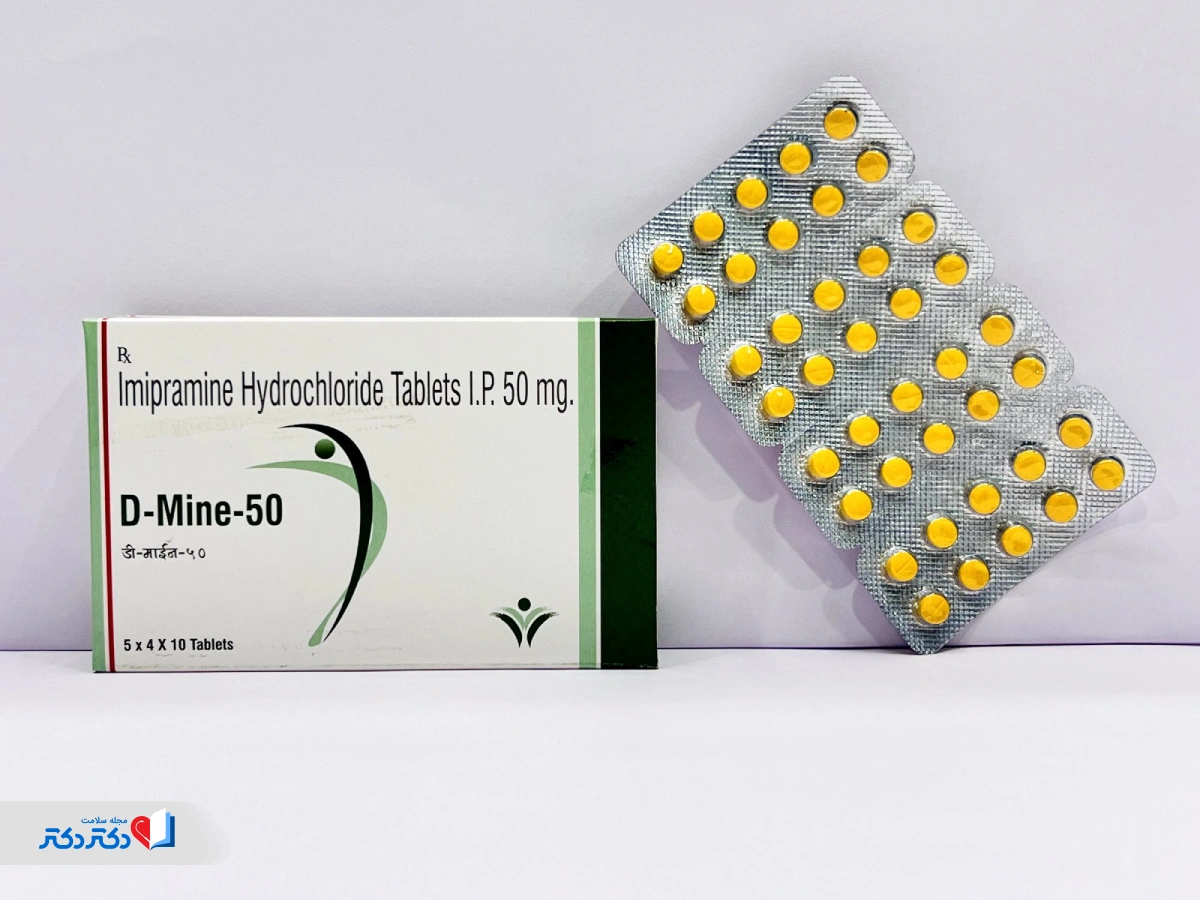
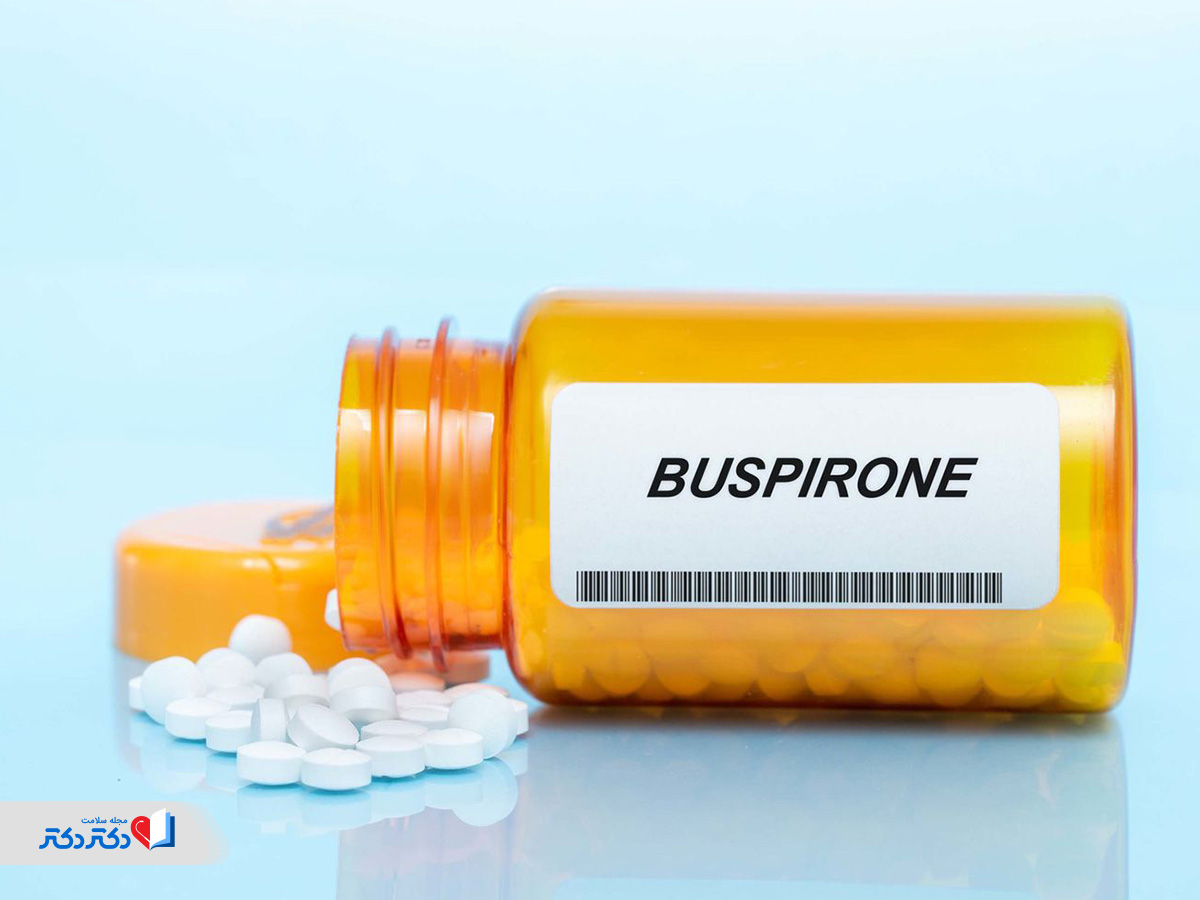
- Mood stabilizing drugs: These drugs, such as lithium and valproate, help control extreme mood swings and extreme emotional states. Mood stabilizing drugs are the first choice in the treatment of mania and can even prevent the return of subsequent attacks.
- Second generation antipsychotic drugs: These drugs such as olanzapine, risperidone, quetiapine and aripiprazole help control the symptoms of irritability, extreme fantasies and disturbed behavior of people. Second-generation antipsychotic drugs can be used both alone and as a supplement for mood stabilizers.
- Sedative drugs: In acute cases, sometimes benzodiazepines are prescribed to reduce anxiety and restlessness or to help the patient sleep.
Don't forget that any type of medicine for the treatment of mania must be prescribed by a specialist doctor and with a careful examination of the physical and mental condition of the person.
Non-drug treatments and psychotherapy
Psychotherapy is a powerful and long-term tool to identify and manage the triggers of mania. Cognitive Behavioral Therapy (CBT) helps the patient to change false perceptions of himself and the world. Family therapy also helps family members to better understand the patient's behavior and learn effective support strategies. Meanwhile, psychological education can also play a preventive role and teach patients and families how to recognize the early signs of an episode. For cases resistant to conventional drugs, electroconvulsive therapy (ECT) and clozapine can be useful; Of course, these two methods are relatively less useful.
Support groups can also create a space for patients to share their methods of coping with mania symptoms and get help from each other. In the meantime, lifestyle adjustments such as regular sleep, avoiding stimulants and stress management exercises can have a positive effect along with drug treatment.
The role of hospitalization in severe mania
Hospitalization or a specialized psychiatric ward is recommended when the symptoms of mania are very severe and the person cannot take care of themselves safely. In the event of high-risk behaviors, non-cooperation with treatment, clear psychosis, and symptoms such as delusions and hallucinations or threats of harming oneself or others, the person is hospitalized to be monitored for 24 hours.
When the patient is hospitalized, the treatment team has the opportunity to adjust the medications under close supervision, perform more medical evaluations, and ease the family's worries about the safety and care of the person. Also, in cases where medication does not respond well, methods such as electroconvulsive therapy (ECT) may be used.

Is mania controllable or preventable?
To prevent the recurrence of mania, a combination of regular clinical treatment and active individual management should be employed. Because mania is typically long-lasting in nature, the main strategy to prevent relapse is maintenance treatment. This strategy involves continued use of preventive medications, such as mood stabilizers such as lithium or valproate, or second-generation antipsychotics. Medication should be continued even during periods when symptoms have subsided to prevent recurrence of symptoms.
In most cases, prevention begins by identifying triggers such as lack of sleep, high stress, or drug use. Also, noting the emotional patterns and early warning signs in the mood record book helps the patient and the doctor to check the patient's condition better. Meanwhile, maintaining a regular routine can be another effective way to prevent the recurrence of mania. This routine can include going to bed at a certain time every night, having a regular meal plan, exercising, and taking medications accurately. Patients are also advised to avoid stimulating environments, limit social interactions during periods of increased energy, and postpone important decisions or large purchases until the mood stabilizes. Taking advantage of the support of family and reliable friends to identify behavioral changes, reminding them to take medication regularly and having a stable support network can also play an important role in preventing and managing the symptoms of mania. At the individual level, patients can reduce the risk of mania relapse by increasing mindfulness towards their condition. Regular recording of mood and activity level in a "mood logbook" and identification of personal triggers, such as severe stress, sleep pattern changes, or drug use, will help in this process.
Adherence to treatment and the role of the family
Adherence to treatment is one of the most important and yet challenging issues in the management of mania, because the rate of non-adherence to treatment in manic patients is high and relapses are common. Many patients in periods of mania do not have full insight and self-awareness and do not notice their abnormal behaviors; For this reason, they may not accept or stop taking the medicine. In cases where there is no therapeutic cooperation and high-risk behaviors occur, the person may face more serious consequences such as legal problems or require more mandatory interventions such as the use of long-acting injectable drugs.
The role of family and friends is crucial in establishing long-term stability. People around you are often the first to notice subtle changes in a person's behavior, sleep, or energy level; These changes may be hidden from the patient. The family can help increase treatment adherence by friendly reminders about medication use, participation in family psychotherapy, and honest and supportive conversations. Also, it is better to have a trusted person monitor the patient's finances, medication, lifestyle, or sleep patterns during periods of vulnerability.

The effect of mania disease on a person's life
Mania has a deep and often destructive effect on a person's life and disrupts his ability to function normally in various areas. During a manic episode, the combination of impulsive behavior on the one hand and exaggerated feelings of strength or invincibility on the other can lead a person to make big but risky decisions and actions. Unaccounted extravagances, launching economic activities without planning or entering into risky sexual relations are some of the impulsive decisions of a manic person in the mania phase.
After the end of the mania period and the subsidence of the high excitement, the person is often faced with a feeling of confusion, shame or regret for his previous behaviors and even remembers only vague memories of what he did. Repeating the cycle of doing extreme behaviors during the manic period and feeling regret or exhaustion afterwards can lead to a weakening of a person's self-image and a decrease in his self-esteem, especially if it is accompanied by the next phase of bipolar disorder, i.e. severe depression and 25 important symptoms Be accompanied by depression.
Effect of mania on emotional and family relationships
Mania can severely damage emotional and family relationships, because mania causes significant changes in a person's behavior and emotions. During mania, a person may become irritable or aggressive and even verbally or physically attack loved ones. The unpredictability of the patient's mood swings between extreme euphoria and high irritability creates an unstable and corrosive atmosphere in the family that is difficult for those around to cope with.
This psychological pressure is often exacerbated by the patient's reduced insight and self-awareness, because the person may perceive the reasonable concerns of family and friends as false, exaggerated or controlling. Over time, repeated episodes of inappropriate behavior, unfulfilled promises, or out-of-frame relationships can destroy trust, reduce a person's credibility, and even disrupt close relationships.
Occupational and academic problems caused by mania
Cognitive and behavioral symptoms of mania often cause significant damage to occupational or academic performance. Jumping thoughts and intense distractions prevent a person from concentrating and make it difficult for him to complete tasks or pursue professional responsibilities. A person with mania in the workplace or university may accept several commitments and projects at the same time, stay up several nights without sleep to achieve their unrealistic goals or show behaviors outside of the professional framework that may lead to their dismissal or educational exclusion. Also, during this period, the risk of risky decisions in the career or economic field such as irrational investments, entering into businesses without sufficient knowledge and resources. Or leaving a stable job to pursue seemingly big and profitable ideas, which can cause significant financial debts and serious damage.
Effect of mania on physical and mental health
From a physical point of view, mania puts considerable pressure on the body. In particular, the problem in the sleep pattern of manic people over several days can lead to extreme fatigue and physical exhaustion. Also, mania is often accompanied by psychomotor restlessness, which causes behaviors such as constant movement, long pacing, or inability to sit still; The continuation of these behaviors imposes a heavy physical burden on the body.
The psychological consequences of mania are equally serious. A manic person may suffer from psychotic symptoms such as hallucinations and paranoid delusions. Since we see a disconnection from reality in the symptoms of psychosis, it may be necessary for a person to be hospitalized for a while to keep himself and those around him safe. Also, the end of a manic episode is often accompanied by entering a period of severe depression and creates mood swings that seriously endanger a person's mental health.
Living with mania; What to do after treatment?
After stabilization of an acute mania episode, the main focus of the person and those around them should be on long-term maintenance and the recovery process. It is also very important to continue regular cooperation with the doctor in order to maintain the proper balance of medication and to prevent the recurrence of severe mood swings, both in the direction of increase and decrease.
Also, at this stage, psychotherapy, especially cognitive behavioral therapy (CBT), plays a vital role, because it helps the person to process the experiences of the mania period more clearly and to review and correct false perceptions and beliefs about himself. In the meantime, the life of a manic person always needs the attention of those around him, active monitoring and support of society; For this reason, it is suggested that people with mania join a support group to experience less negative emotions in the future and learn effective ways to cope with the symptoms of mania.

Lifestyle management in mania patients
Effective lifestyle management is one of the most important and powerful tools to maintain mood stability after treatment. The patient must have a regular routine; For example, sleep at a certain time every night and have a regular and detailed plan for meals and physical activity. Also, avoiding overly stimulating environments, such as crowded places, loud noises, or strong light, can help reduce nervous system excitement and prevent mood instability in the patient. In addition, learning practical strategies against impulsive behaviors is also an effective way to manage lifestyle; Like postponing important life decisions or big purchases during periods of increased energy and even temporarily entrusting the management of financial affairs to a trusted person. The next important issue is to avoid tempting substances such as alcohol or drugs or recreational stimulants, which can easily initiate a new episode of mania.
Warning signs of a mania relapse
One of the clearest and most common signs of a mania relapse is a noticeable decrease in the need for sleep, in such a way that a person feels refreshed and energized after only two or three hours of sleep. Another early symptom of excessive talkativeness is a feeling of euphoria or abnormal distraction and a significant increase in energy or irritability.
Awareness of these symptoms allows for early medical intervention by temporarily adjusting medication and implementing supportive changes in lifestyle and can prevent the formation of a mania episode. Also, it is recommended that the person and those close to him/her monitor these symptoms regularly and upon seeing alarming changes, contact the treating physician as soon as possible and start the prevention program on time.
Doctor's final word
Mania is a serious condition that, if not recognized and managed in time, can throw the life of the person and those around him out of balance. The good news is that with proper diagnosis, appropriate drug treatment, psychotherapy, lifestyle modification and family support, mania can be controlled and severe relapses can be prevented. In this regard, an experienced team of psychologists and psychiatrists are ready to serve all people in any geographical location. In the DoctorDoctor team, you can consult the best mental health specialists about the symptoms of your or your loved ones' problems and get the medicines you need delivered to your home with the help of the DoctorDoctor online pharmacy. Dr. Armaghan's team brings you stability, awareness and a better quality of life.
Frequently Asked Questions
Is there a definitive cure for mania?
There is currently no definitive cure for mania, but the symptoms of mania can be controlled and managed with a combination of medication and psychotherapy. In this framework, maintenance treatments and lifestyle modification are also used to prevent the recurrence of subsequent episodes of mania and maintain long-term mood stability. icon-opened" style="display:none"> What is the cause of mania?
The content of this article is for your general information only and does not constitute medical prescription.